EN
EN 

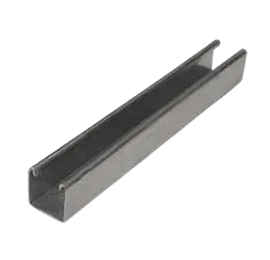
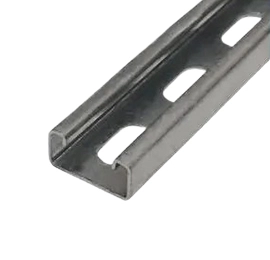
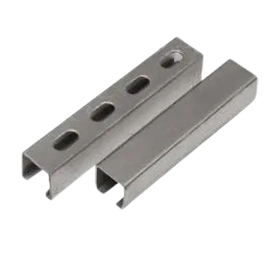
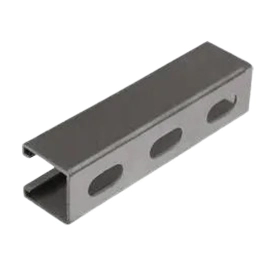
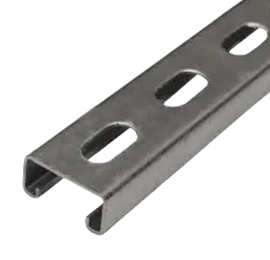
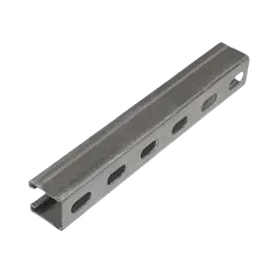
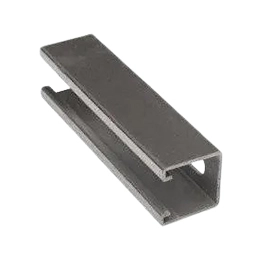
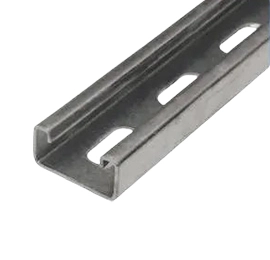


What Materials Are Strut Channels Made From?
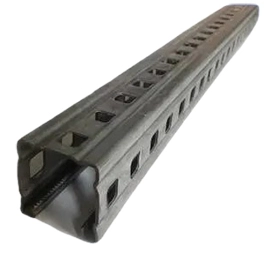
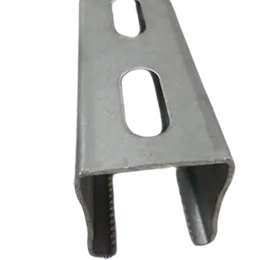
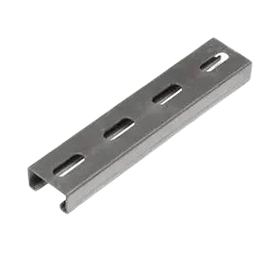
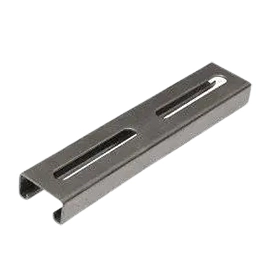
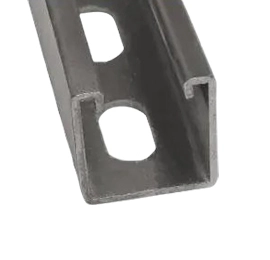
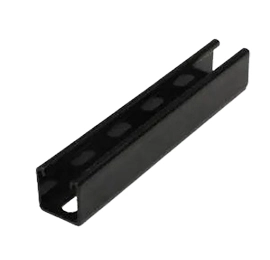
Strut channels exist in three primary manufacturing materials: steel, stainless steel, and aluminum. The additional durability and resistance against corrosion come from galvanization and powder coating applications to steel strut channels. Stainless steel strut channels demonstrate excellent corrosion resistance and high strength due to their properties, making them ideal for demanding environments. Aluminum strut channels serve well for outdoor use because they provide both weight savings and rust resistance. For specific applications, fiberglass material may be used instead of steel or aluminum to build strut channels, depending on the requirements. Materials are selected based on application needs, including weight-support capacity, environmental factors, and cost considerations.
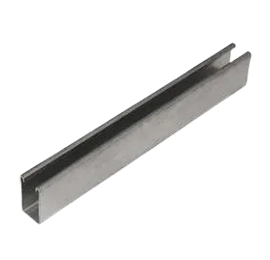
For specialized applications, various components such as conduit strut channels, deep strut channels, double deep strut channels, and strut channel hinges are essential. Conduit strut channels are designed to support and route electrical conduits, ensuring a neat and organized installation. Deep strut channels offer increased depth for added strength and support in heavy-duty applications. Double deep strut channels provide even greater support and load-bearing capacity, making them suitable for the most demanding structural needs. Strut channel hinges allow for adjustable and flexible connections, enhancing the versatility of the strut channel system. These components collectively ensure that strut channels can meet a wide range of structural and mechanical challenges, providing reliable and efficient solutions for various projects.