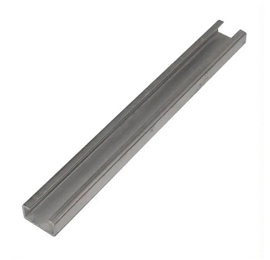
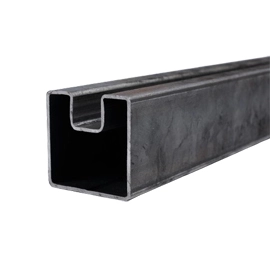
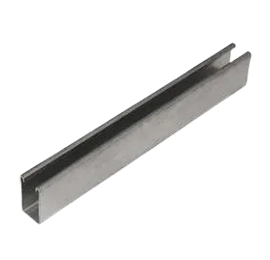
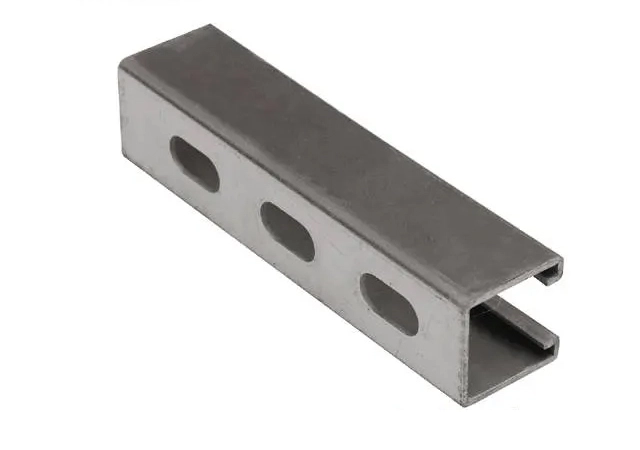
Utility-scale solar development in 2026 is all about long-term viability, driven by asset owners demanding 25-to-35-year lifecycles to achieve maximum Levelized Cost of Energy (LCOE) efficiency. When it comes to structural choices for solar mounting systems, the materials behind C purlins are center stage. Particularly, the debate between high-strength Q355 steel cee purlins and anodized aluminum c purlins has reshaped supplier evaluation and procurement strategies. Partnering with a reliable c purlin factory like JSJSSolar gives developers and EPC firms the opportunity to implement engineering solutions purpose-built for their environment.
The decision between steel cee purlins and aluminum c purlins boils down to project-specific conditions. Q355 structural steel is the stronger and more cost-efficient choice for heavy-duty applications, such as wide-span installations in high-wind regions. On the other hand, anodized aluminum c purlins offer unmatched corrosion resistance for seaside and high-humidity environments, reducing operational expenditures (OPEX) over decades of exposure.
As solar developers push projects into diverse and often extreme environments, traditional light-duty materials are coming up short. Rapid advances in structural wind and snow load requirements are outpacing legacy engineering practices, causing system failures and costly downtime in climates that are becoming harsher year by year.
Galvanization, once the hallmark of corrosion protection, is now revealing its limitations. Standard galvanized steel often fails to shield against heavy oxidative loads in coastal and high-salinity zones over 20+ years. Enter Q355 high-strength steel and anodized aluminum, materials that redefine durability for utility-scale solar projects.
Takeaway: Choosing a supplier that adheres to advanced material science, like JSJSSolar’s precision roll-forming process, ensures long-term reliability and adherence to next-generation structural codes.
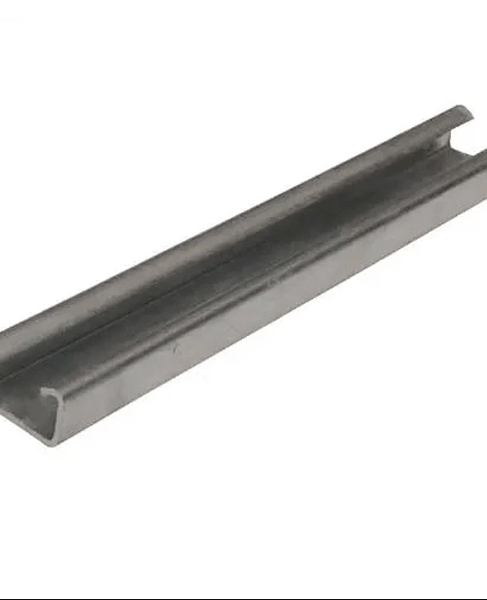
Among solar developers building in inland or semi-arid regions, Q355 high-strength steel has become the material of choice for solar mounting structures. Let’s explore why.
Q355 boasts a yield strength of 355 MPa, which is critical for projects requiring wide spans and resistance to high wind pressures. As project sizes scale up, the structural efficiency of steel cee purlins directly impacts ease of installation and operational reliability.
Despite being heavier than aluminum, steel provides the highest structural return on investment for utility-scale projects. Given its lower initial cost and high load-bearing performance, it remains ideal for larger installations with minimal environmental corrosion.
JSJSSolar’s advanced galvanizing process creates a robust zinc coating that protects purlins from oxidative deterioration, ensuring longevity well above two decades.
Key Product Feature: “Our steel cee purlins are stress-tested to ensure maximum durability in varying climates, meeting all ASTM and ISO standards.”
For projects located in coastal areas, where salt spray or extremely humid conditions accelerate corrosion, aluminum c purlins take precedence over steel.
Aluminum forms a natural layer of Al2O3 (aluminum oxide) when anodized, providing unparalleled corrosion protection in environments classified as C4 or C5 under ISO 9223 standards. Unlike galvanized steel, aluminum doesn't "rust through”; the protective layer regenerates in harsh conditions.
Weighing up to 50% less than steel, aluminum materials reduce transportation and installation costs, allowing EPC firms to lower their labor requirements and timelines.
The ability to maintain its structural integrity without frequent inspections or treatments ensures aluminum's value in reducing long-term OPEX for asset owners.
Key Application: Projects incorporating solar trackers or rooftop mounts benefit greatly from light, strong, and corrosion-resistant aluminum c purlins.
For a clear analysis, here’s a side-by-side breakdown of how steel cee purlins and aluminum c purlins compare under key performance criteria:
| Criteria | Q355 Steel (HDG) | 6005-T5 Aluminum |
| Tensile Strength | High (450-630 MPa) | Medium-High (~270 MPa) |
| Corrosion Resistance | Very Good (With HDG) | Excellent (Anodized Al2O3 Layer) |
| Initial Cost | Lower | Higher |
| 25-Year Maintenance | Periodic Inspection | Near Zero Maintenance |
In 2026, you need transparency from your suppliers. At JSJSSolar, quality starts at the design stage in our state-of-the-art c purlin factory.
We use industry-leading 15-axis CNC roll-forming to maintain extreme tolerances (+/- 0.5 mm) over long spans, which prevents micro-fractures—a leading cause of structural failure after 10 years of load stress.
Every JSJSSolar purlin undergoes stress, corrosion, and impact tests to verify compliance with ASTM/ISO standards before distribution.
Our c purlins are designed for the modern solar market, ensuring LCOE optimization without compromising on safety or efficiency.
Product Link: Explore our premium factory-made C purlins.
Ultimately, the choice between steel and aluminum comes down to local environmental factors and project-specific needs:
For inland projects, especially those with extreme wind or snow loads, steel cee purlins provide superior strength and cost efficiency.
For projects in coastal, high-humidity, or high-salinity areas, anodized aluminum’s maintenance-free performance and corrosion resistance often justify the higher initial cost.
No, unless specific precautions are taken. Without proper isolation, direct contact between aluminum and steel can lead to galvanic corrosion, severely weakening both materials. Using dielectric isolation gaskets or specially coated fasteners can mitigate this risk if mixed materials are unavoidable.
The structural choices you make today will determine the reliability and cost-efficiency of your solar project for the next 25 years. Both high-strength Q355 steel cee purlins and anodized aluminum c purlins are engineered solutions offering distinct benefits for specific environments.
 EN
EN